Qatar Hajj & Umrah Visa: Application Process 2026
A rejected Qatar Hajj & Umrah Visa application can cost you your flight, your hotel deposit, and your spot in the pilgrimage season. If you’re a Qatar resident planning Hajj or Umrah, you need to know which visa applies to you, what documents Saudi authorities require, and when this season closes.
Hajj Visa vs. Umrah Visa: What’s the Difference?
Hajj and Umrah run on two completely different visa systems, even though both take pilgrims to Makkah. Mix them up, and you’ll run into trouble at the airport.
| Feature | Hajj Visa | Umrah Visa |
| Timing | Only during Hajj season | Open most of the year |
| Quota | Limited by country quota | No quota restriction |
| Issued through | Authorized Hajj operator or national Hajj ministry | Nusuk platform, licensed agents, or Saudi eVisa portal |
| Convertible? | Cannot switch to tourist visa | Tourist eVisa often covers Umrah |
The Saudi Ministry of Hajj and Umrah sets Hajj quotas at roughly one pilgrim per 1,000 Muslims in each country. Hajj 1447 AH wrapped up in late May 2026. That means the current cycle for Qatar residents centers on Umrah, plus getting ready for the next Hajj season.
So which visa actually fits your situation? It depends on your citizenship and, if you’re an expat, your nationality.
Do Qatari Citizens Need a Visa for Saudi Arabia?
No.
Qatar belongs to the Gulf Cooperation Council (GCC), so Qatari nationals cross into Saudi Arabia using only a passport or national ID. Entry works the same whether they fly into Jeddah or Madinah or drive across the Salwa border. Citizens still create a Nusuk account to reserve Umrah permit slots and Rawdah visit times, even at land crossings like Salwa, since permit booking runs through that platform regardless of nationality.
Qatar Hajj & Umrah Visa Options for Residents
Expatriates holding a Qatar ID (QID) aren’t GCC citizens, so they need prior authorization before they travel. Figuring out which option applies to you comes down to nationality. Four choices typically apply:
- Saudi Umrah Visa — built specifically for pilgrimage travel and processed through Ministry-approved agents.
- Saudi Tourist eVisa — a one-year, multiple-entry visa allowing stays up to 90 days per visit; it permits Umrah but excludes Hajj. Saudi Arabia launched this eVisa program back in 2019.
- GCC Resident eVisa — available to non-citizen residents of any GCC state, including Qatar, since September 2022.
- Transit Visa — issued to travelers on select Saudi carriers, sometimes valid up to 96 hours and usable for a short Umrah trip.
Eligibility depends entirely on your nationality, so check your status on the official Saudi eVisa portal before you book flights.
Documents You Need Before You Apply for a Qatar Hajj & Umrah Visa
Saudi authorities check the same core documents across most visa categories. Get these together before you start filling out anything online.
- Passport valid for at least six months from the travel date
- Qatar ID valid for at least three months, for expatriates — check your qatar visa status and QID expiry on Metrash or Hukoomi before applying, since an expiring QID is a common rejection trigger
- A recent passport-style photo on a white background
- Round-trip flight booking, often through Qatar Airways’ direct Jeddah and Madinah routes
- Hotel confirmation in Makkah and Madinah
- A meningococcal meningitis (ACWY) vaccination certificate, issued between 10 days and roughly three to five years before arrival
- Travel or health insurance, required for certain visa types
Some nationalities also submit proof of polio, yellow fever, or seasonal influenza vaccination, depending on their country of origin.
How to Apply for a Saudi Umrah Visa From Qatar
- Confirm which visa category fits your nationality: tourist eVisa, GCC Resident eVisa, dedicated Umrah visa, or transit visa.
- Gather your passport, Qatar ID, photo, flight reservation, hotel booking, and vaccination record.
- Fill out and submit your application through the Saudi eVisa portal, a Nusuk-integrated provider, or a licensed travel agency. Skip unofficial agents — they won’t save you time, and they can end up costing you your deposit.
- Wait for approval, which typically arrives as a PDF by email once your documents clear verification.
- Register on Nusuk after approval to manage your pilgrimage permit and book Rawdah visit slots.
Hajj Visa Application Process From Qatar
- Wait for the Ministry of Hajj and Umrah to reopen Nusuk’s Hajj platform for the upcoming season.
- Register through an authorized Hajj operator, since independent applications aren’t accepted for international pilgrims.
- Submit passport, photo, and vaccination documents through your operator.
- Receive a country quota allocation, since demand often exceeds available spots.
- Complete payment and receive your Hajj permit before the Ministry’s stated deadline.
A tourist or Umrah visa can never substitute for Hajj authorization. Overstaying on either one carries real legal penalties in Saudi Arabia, so don’t gamble on it.
Qatar Hajj & Umrah Visa Processing Times and Costs
Tourist eVisas often clear within 48 hours for eligible nationalities. GCC Resident eVisas frequently process within 24 hours. Fees vary by provider, so check the official price on the Saudi eVisa portal before you pay an agent.
Dedicated Umrah visas take a few days to about a week, depending on agency and nationality. Transit visas usually process in under 24 hours, and the stopover fee is small — confirm the current amount when you book your flight.
Processing slows during Ramadan and the weeks before Hajj. Apply early, or you’ll end up racing a deadline.
Umrah Season Dates for 2026–2027
The Ministry of Hajj and Umrah confirmed that visa issuance and pilgrim arrivals for the 1448 AH season began May 31, 2026, with Nusuk permits and Makkah entry opening June 1, 2026. The season runs until March 9, 2027 the final date for visa issuance with entry permitted through March 23, 2027.
These dates shift each Islamic year. If the Ministry adjusts the calendar again, Nusuk will post the update before pilgrims can register, so check the platform directly rather than relying on last year’s dates.
Health and Vaccination Rules
Meningococcal ACWY vaccination stays mandatory for every pilgrim entering Saudi Arabia for Hajj or Umrah. Qatar residents can get the shot at clinics approved by the Ministry of Public Health (MOPH) before departure.
Travelers from certain regions also need polio or yellow fever certificates. That said, requirements shift based on global disease activity, so checking the Ministry’s current guidance before booking beats finding out at the airport.
Common Mistakes That Delay or Reject a Qatar Hajj & Umrah Visa
- Passport expiring within six months of travel
- Expired or soon-to-expire Qatar ID
- Missing or outdated meningococcal certificate
- Incomplete flight or hotel booking details
- Applying through agents not listed by the Ministry
- Submitting after the season’s visa deadline
What happens if you miss the deadline? You’ll have to wait for the next season to open, and there’s no workaround for that.
Final Thoughts
Qatar residents planning Hajj or Umrah face two very different systems. Qatari citizens travel visa-free under GCC rules, while expatriates need a tourist eVisa, GCC Resident eVisa, dedicated Umrah visa, or transit visa depending on nationality. Hajj runs on a fixed quota through authorized operators, while Umrah stays open most of the year through Nusuk.
Start early. Renew your QID through Metrash, confirm your passport has six months of validity left, and book your ACWY vaccine at an MOPH-approved clinic before you touch the Nusuk platform. That single sequence prevents most of the rejections that derail pilgrimage plans.
Frequently Asked Questions
Can Qatar residents perform Umrah on a tourist visa?
Yes, if your nationality qualifies for the Saudi tourist eVisa. It covers Umrah but not Hajj, and you don’t need a separate Umrah booking to use it.
Do Qatari citizens need an Umrah visa?
No. They enter using a passport or national ID under GCC entry rules, even at land crossings like Salwa.
How long does a GCC Resident eVisa take to process?
Usually within 24 hours. Weekends and Saudi holidays can add a day or two, so avoid applying right before travel.
Is Nusuk required for every pilgrim?
Yes. You’ll need it to book Rawdah visit slots even if your operator handles the visa for you.
Can I perform Hajj using a tourist or Umrah visa?
No. Overstaying past Hajj days on either visa can lead to a travel ban on future Saudi visas.
What vaccination is mandatory for Hajj and Umrah travelers?
The meningococcal meningitis (ACWY) vaccine, given at least 10 days before arrival. MOPH lists approved clinics in Qatar where travelers can get it.
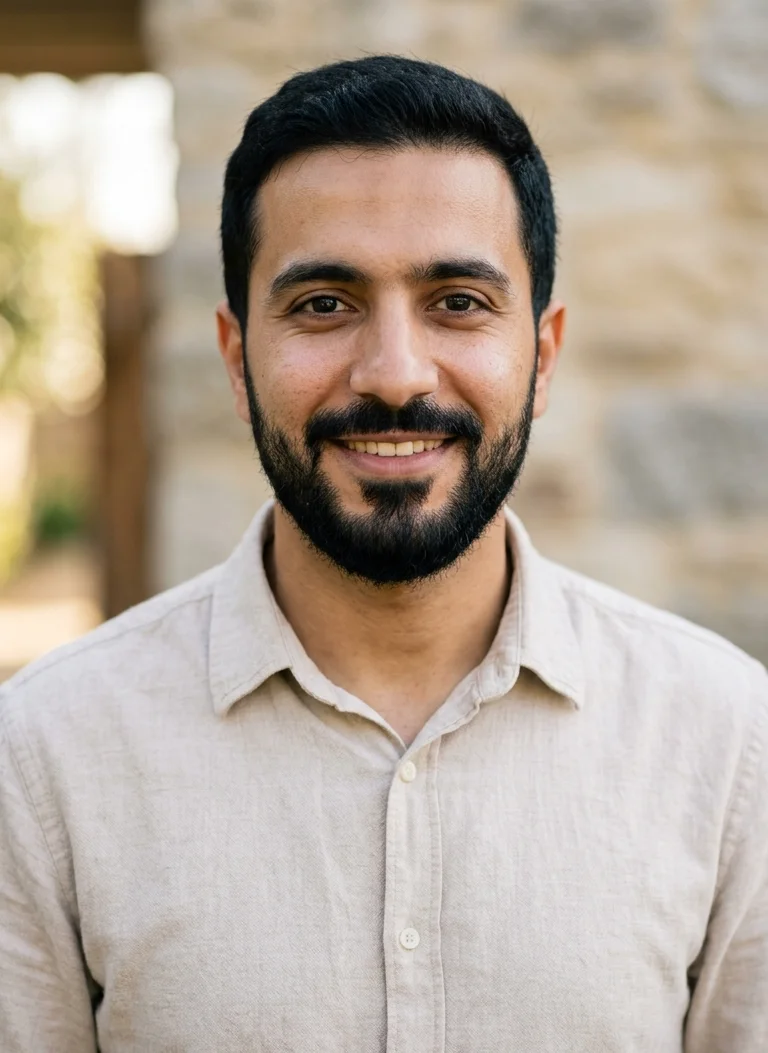
Khalid Al-Rasheed is a Qatar-based blogger who simplifies the Qatar visa check process for expats and travelers. He shares clear, up-to-date guides on checking visa status online, approvals, and residency in Qatar.